Ökocat Paper Pellet - lowest dust reading of any litter we have tested
0.00mg per pour, zero fragrance. Best for: Post-surgery or severe dust sensitivity.
Read the full review →
We measured airborne dust levels from 16 litters, tracked allergen triggers, and tested which formulas work for sensitive humans and cats.
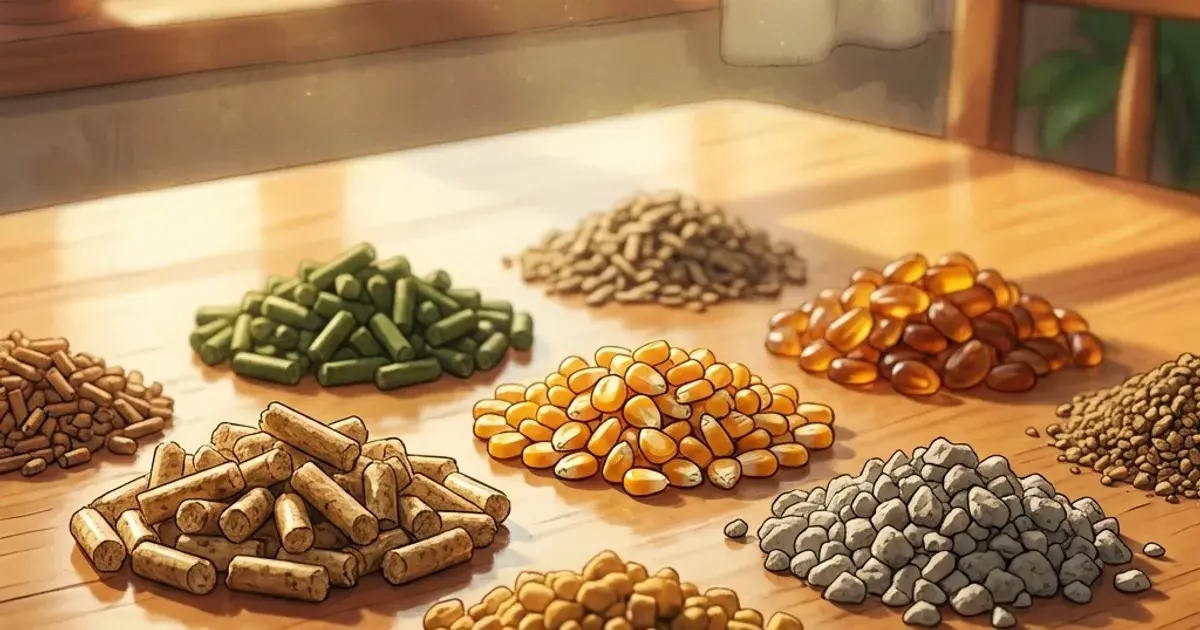

Most allergy sufferers blame their cat. But in many households, the litter is the bigger problem. Clay-based litters release fine particulate dust every time your cat digs, every time you scoop, and every time you pour fresh litter.
Add synthetic fragrance (the "fresh linen" or "lavender" scent on the bag), and you're layering volatile compounds on top of mineral dust. For people with asthma, rhinitis, or chemical sensitivity, this combination is a daily trigger that gets blamed on the cat instead of the product. The EPA names pet dander among common indoor asthma triggers, so a box that concentrates dander, saliva and urine residue is a reasonable place to start looking.
The fix isn't complicated: switch to a litter that produces less dust and skip the fragrance.
Source: Sodium bentonite clay, diatomaceous earth
Fine particles small enough to reach deep into lung tissue. Worst during pouring and scooping.
Symptoms: Sneezing, coughing, itchy eyes, asthma flares.
Source: Synthetic scent additives, perfume coatings
Volatile compounds released continuously from an open litter box, not just at pour time.
Symptoms: Headaches, sinus congestion, skin irritation.
Source: Pet dander, saliva and urine proteins, mold spores
Dusty litter acts as a vehicle for these particles - less dust means fewer allergens going airborne.
Symptoms: The reaction most people call "being allergic to the cat".
Critical connection: dusty litter doesn't just irritate on its own - it carries pet dander into the air alongside it. Switching to low-dust litter can reduce cat allergen exposure even if you are allergic to the cat itself. The AAFA confirms that the proteins in pet dander, saliva and urine are what triggers a pet allergy, and that airborne allergens are small enough to reach the lungs.
One test, applied the same way to every bag we buy: milligrams of airborne particulate captured during a standard pour. It is not a lab PM10 reading and we do not claim it is one - it is a repeatable way to rank the bags against each other.
| Litter | Type | Scented? | Dust per pour |
|---|---|---|---|
| Ökocat Paper Pellet | Paper Pellet | Unscented | 0.00mg |
| Dr. Elsey's Ultra | Clumping Clay | Unscented | 0.03mg |
| Dr. Elsey's Cat Attract | Clumping Clay | Unscented | 0.04mg |
| Boxiecat Premium | Premium Clumping Clay | Unscented | 0.04mg |
| Tuft + Paw | Soy / Tofu | Unscented | 0.05mg |
| Feline Pine | Pine Pellet | Unscented | 0.08mg |
| Sustainably Yours | Natural Corn + Cassava | Unscented | 0.11mg |
| Naturally Fresh Walnut | Walnut Shell | Unscented | 0.13mg |
| World's Best Cat Litter | Corn Litter | Unscented | 0.15mg |
| Catalyst Soft Wood | Soft Wood / Pine | Unscented | 0.15mg |
| Fresh Step Scented | Scented Clumping Clay | Scented | 0.42mg |
| Arm & Hammer Clump & Seal | Scented Clumping Clay | Scented | 0.45mg |
| Arm & Hammer HardBall | Fast-Clumping Clay | Scented | 0.48mg |
| Purina Tidy Cats | Budget Clumping Clay | Scented | 0.50mg |
| Arm & Hammer Super Scoop | Budget Clumping Clay | Scented | 0.52mg |
| Frisco by Chewy | Budget Clumping Clay | Unscented | 0.58mg |
The scented bags near the bottom of that list carry the double cost: the highest dust readings plus added fragrance.
0.00mg per pour, zero fragrance. Best for: Post-surgery or severe dust sensitivity.
Read the full review →0.03mg per pour, unscented. Best for: Dust-sensitive homes. Skip if: You need flushable or lightweight litter.
Read the full review →0.08mg per pour. Best for: Pellet users and sifting boxes.
Read the full review →Cats with litter sensitivities typically react to fragrance chemicals, dyes, or fine dust that irritates their paw pads and respiratory system. Signs include:
Zero fragrance, zero dyes. 0.11mg per pour. Best for: Best-performing natural litter shoppers.
Read the full review →Vet tip: if your cat shows these signs, switch to an unscented, natural-fiber litter and give it a couple of weeks before spending money on allergy testing. It is a cheap thing to rule out first.
High dust plus synthetic fragrance is the worst combination for allergy sufferers. Our dust readings above show which scented bags run high.
Lighter particles can become airborne more easily. Not every lightweight formula is worse - check where the specific bag actually lands in the table above rather than assuming.
Crystal (silica gel) litter is relatively low-dust on its own, but a scented version adds the same fragrance chemicals that trigger reactions. Choose unscented crystal if you go this route.
Hold the bag close to the box and tip rather than shake. Most airborne dust comes from the pour itself.
Near a window or an exhaust fan, not a closed closet. The EPA recommends opening a window or running an exhaust fan during and after any household activity that throws particulate into the air, which applies here too.
A fine-mesh scoop lifts waste with less agitation than a wide-slot one. Less shaking means less dust.
Worth it if you have asthma or a severe allergy, even with a low-dust litter.
Bacterial buildup adds its own airborne irritants. Skip bleach; the fumes are their own trigger.
Older litter sheds more dust as granules break down. A full change on schedule keeps that from creeping up.
Yes. Dusty litter throws fine particles into the air with every pour, scoop and dig, and a fragranced bag adds volatile scent chemicals on top. The EPA lists pet dander among common indoor asthma triggers, and a dusty box is one way that dander travels. Switching to a low-dust, unscented litter is the standard first thing to try.
Ökocat Paper Pellet was the lowest reading in our own dust testing. For clumping options with a real drop-tested clump, Dr. Elsey's Ultra is our lowest-dust clumping clay.
Yes. Cats can develop contact irritation to fragrances, dyes and dust in litter. Signs include excessive paw licking, sneezing, watery eyes and avoiding the litter box. Switching to an unscented, low-dust litter is the usual first step, and a vet visit is worthwhile if it does not settle.
Activated carbon does not treat allergies, but it controls odor without fragrance, and fragrance is a common trigger. Look for a fragrance-free carbon additive with low-dust granules.
Crystal (silica gel) litter tends to run lower on dust than clay during pouring and digging. Paper and wood pellet litters are the lowest-dust materials in our own testing overall - see the ranked table above.
Most people buy scented litter because of odor. Fragrance does not remove the smell. It covers it with chemicals that can set off the allergy you were trying to avoid.
Some people compare an unscented activated carbon additive when fragrance is the problem. Products vary, so read the ingredient and dust information on the bag instead of assuming every carbon product is fragrance-free or low dust.
Activated carbon you add to the litter you already buy. We have used it in our own homes for years, and with dozens of friends and family. You can keep your existing base litter.
Read our Purrify guide to picking a litter for odor control.
This guide is maintained by the ReviewCatLitter editorial team. Dust figures are our own drop-pour weighings on litter we purchased, in milligrams per pour - not a lab PM10 reading, and we do not publish a number we have not measured.