Bleach
Cat urine is loaded with ammonia, and the standard warning about mixing bleach with ammonia applies inside a used litter box. It also leaves a smell most cats dislike.

Scoop once a day. Once a week, empty the box, scrape it dry, wash it with warm water and unscented soap or plain baking soda, dry it, and refill. No bleach, no pine cleaner, no liners. The whole job takes about six minutes.
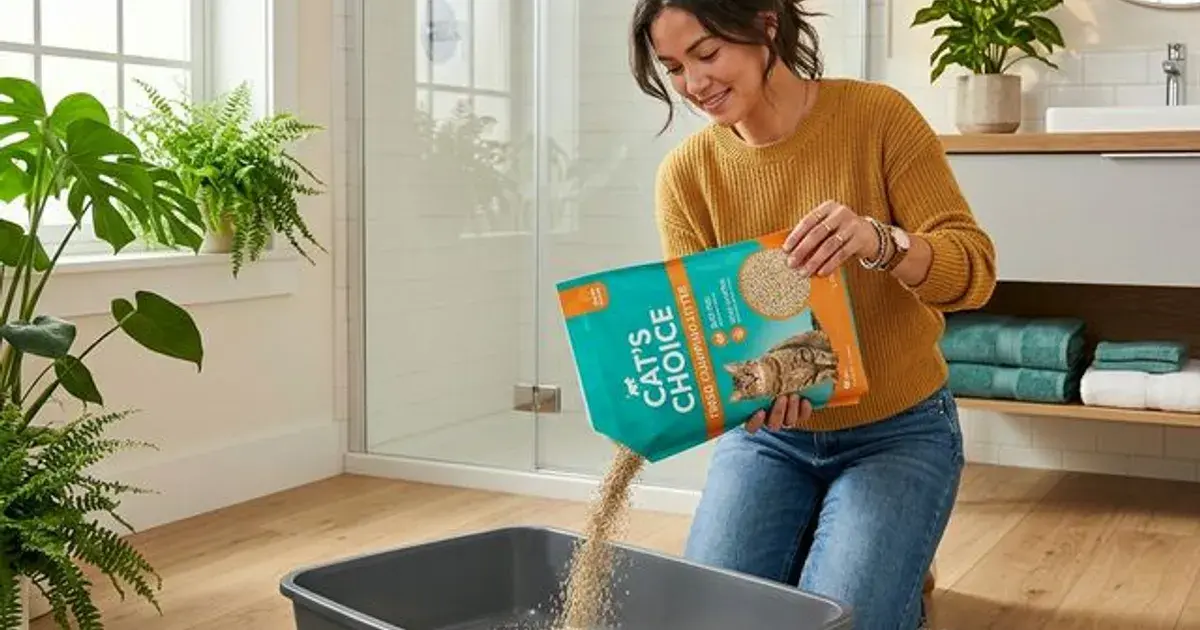

ASPCA asks you to scoop at least once a day, and once a week to clean all litter boxes with warm water and unscented soap, baking soda or no soap, then completely replace the litter. Everything below is how to do that without making a bigger mess than you started with.
Into a bin bag, outside if you can. Do not run water into a box full of clay. Wet clay sets like grout and blocks the drain on the way past.
An old plastic scraper or the flat back of the scoop. Ninety percent of the stuck layer comes off dry in about ten seconds. Wet, it turns to paste and takes five minutes.
That is what the ASPCA asks for. Neither leaves a smell the cat has to accept, and neither reacts with what is in the box.
A brush kept for this and nothing else. Skip wire wool and hard scouring pads. Every scratch you put in the plastic is somewhere waste can sit that no scoop will ever reach.
Soap left behind is a smell the cat did not ask for. A damp box turns the first inch of fresh litter into a cemented crust straight away.
Not four. A deep bed does not last longer, it just means more litter goes in the bin on wash day.
Step two is the one everyone skips, and it is the one that saves the time. Dry scraping beats any cleaner ever sold for this job.
Cat urine is loaded with ammonia, and the standard warning about mixing bleach with ammonia applies inside a used litter box. It also leaves a smell most cats dislike.
Strong scents are a common reason a cat quietly downgrades the box. You cannot smell it after ten minutes. The cat can.
People do ask. It contaminates a machine you eat off, and most boxes warp at that temperature anyway.
They tear under claws, urine pools in the folds, and the ASPCA lists liners among the things most cats do not like. They save a wash and cost you a user.
A clump that falls apart under the scoop does not disappear. It smears across the floor of the box and sets there, and that crust is what you are scraping on Sunday. We drop each clump three feet and count what survives whole. These are the weakest in our testing, worst first.
| Litter | Clumps that survived | What we saw |
|---|---|---|
| Frisco by Chewy | 58% | Acceptable |
| Purina Tidy Cats | 62% | Average |
| Arm & Hammer Super Scoop | 64% | Solid budget clumps |
| Fresh Step Scented | 66% | Decent |
| Catalyst Soft Wood | 73% | Good for wood litter |
| World's Best Cat Litter | 76% | Excellent for corn |
If your box crusts up every week, a harder-clumping bag is a cheaper fix than a better cleaner.
Scoop every day, and once a week empty the box, scrape it dry, wash it with warm water and unscented soap or plain baking soda, rinse, dry it fully, and refill with fresh litter one to two inches deep. That is the ASPCA routine, and it is the whole job.
Better not to. Urine is full of ammonia and the usual warning against mixing bleach with ammonia applies here. The ASPCA asks for warm water with unscented soap, baking soda, or no soap at all.
Once a week for a clumping box in normal use, and the same week you replace the litter. If two or more cats share it, expect to do it more often, not less.
Scrape it dry before any water touches it. If it is already set, soak the base in warm water for twenty minutes and scrape again. A crust that keeps coming back usually means the clumps are breaking up before you scoop them.
Plastic scratches, and scratches hold what a scoop cannot reach. When the base has gone dull and grey and still smells after a proper wash and a full dry, the box is finished. That is usually a year or two of daily use, sooner if it has been scoured.
Buy the replacement before you bin the old one and run the two side by side for a week. A cat that comes home to a brand-new box and nothing familiar sometimes votes against both.
Activated carbon you add to the litter you already buy. We have used it in our own homes for years, and with dozens of friends and family. You can keep your existing base litter.
Read our Purrify guide to picking a litter for odor control.
The scooping and washing routine is sourced to the ASPCA page linked above. Clump survival figures are our own drop test on bags we bought.