
Best Low-Dust Cat Litter
Three litters ranked by dust weighed in milligrams, then checked against clumping and cost per day.
The short answer
Dr. Elsey's Ultra is the pick here at 0.03mg on the pour, the lowest clay reading on our bench, and it still clumps at 98%. Boxiecat Premium is close behind at 0.04mg. PrettyLitter has no dust reading yet, so it sits here for how crystals handle moisture, not for a number.
How to use this roundup
Three bags for anyone tired of a cloud on the pour. Dr. Elsey's Ultra is clumping clay at $20.99, Boxiecat Premium is premium clumping clay at $27.99 and PrettyLitter is silica crystal at $24.00.
Dust weighed per pour: Dr. Elsey's Ultra 0.03mg, Boxiecat Premium 0.04mg, PrettyLitter not measured. Cost per day: Dr. Elsey's Ultra $0.43, Boxiecat Premium $0.55, PrettyLitter $0.80. Clump strength and tracking sit on every card below.
Buying low dust because the box smells rather than because of the dust? Purrify's dust-free litter and odor guide takes that question further than this page does.
What separates a strong low-dust pick
Cleaner pours and scoops
The best options stay controlled when you refill the box and when you disturb the litter during daily cleaning.
Consistent box performance
A low-dust litter still needs to manage odor and cleanup well enough for normal use, not just look good during a single pour.
Material tradeoffs
Clay, crystal, pellet, and plant-based litters all handle dust differently, so we call out what you gain and what you give up.
Every pick in this roundup
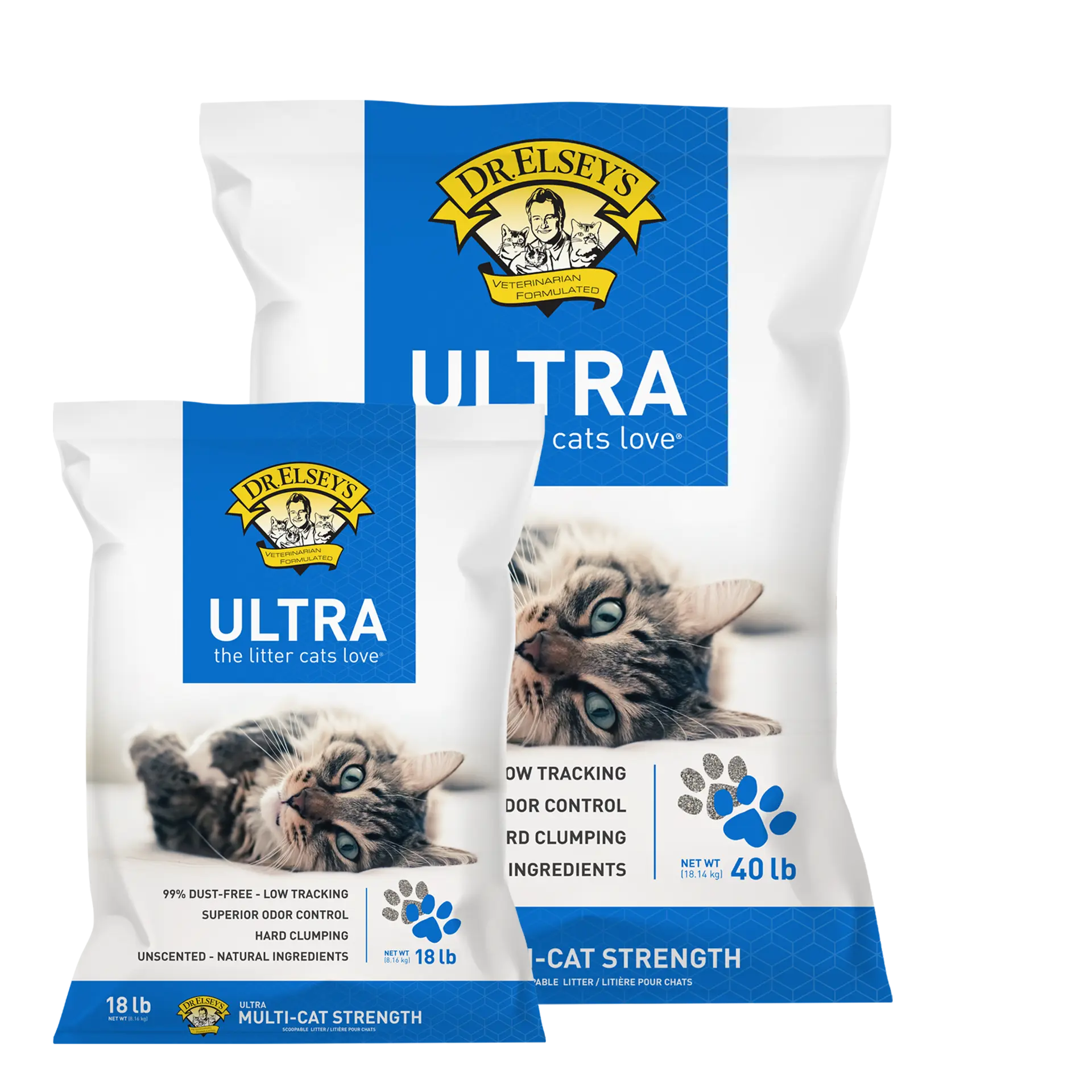
The undefeated champion. 0.03mg of dust per pour, the lowest reading in this roundup.
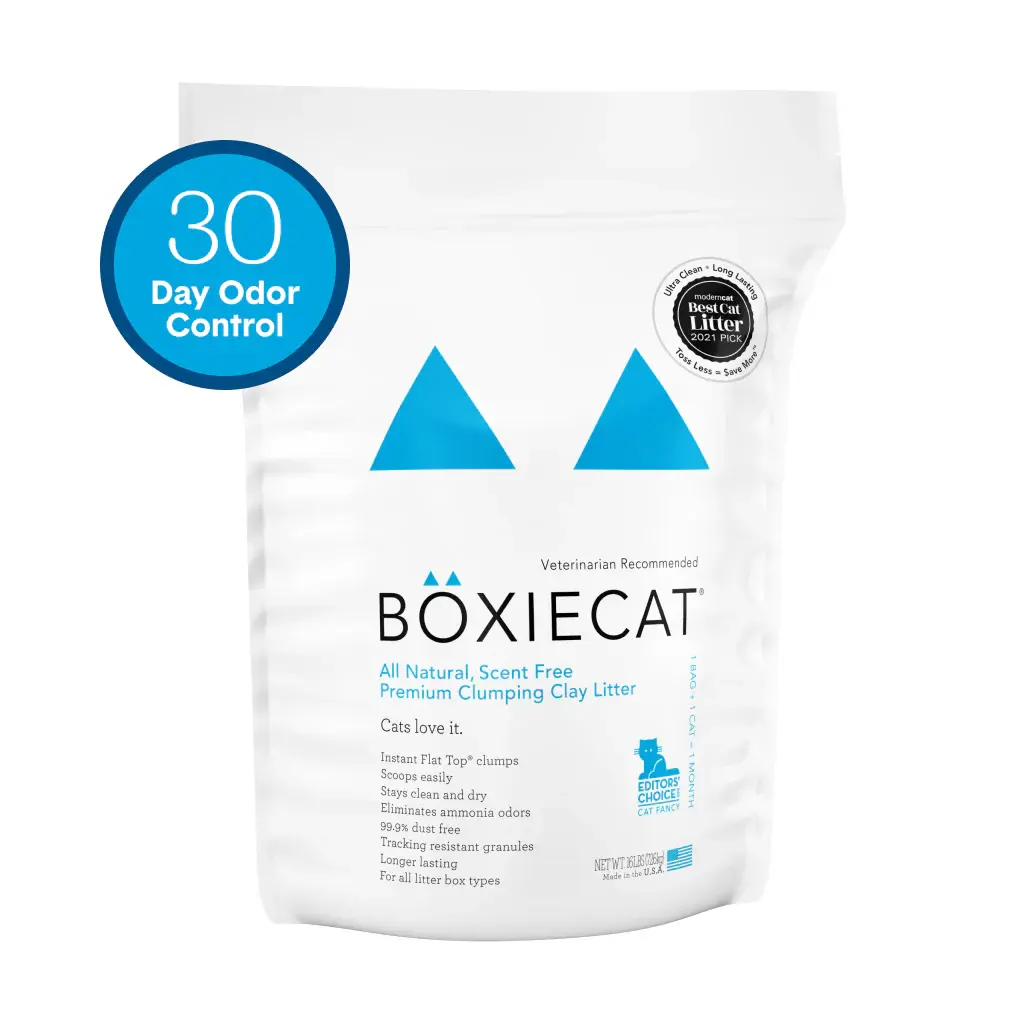
The premium contender. Almost as clean on the pour, with better 'flat top' clumping.
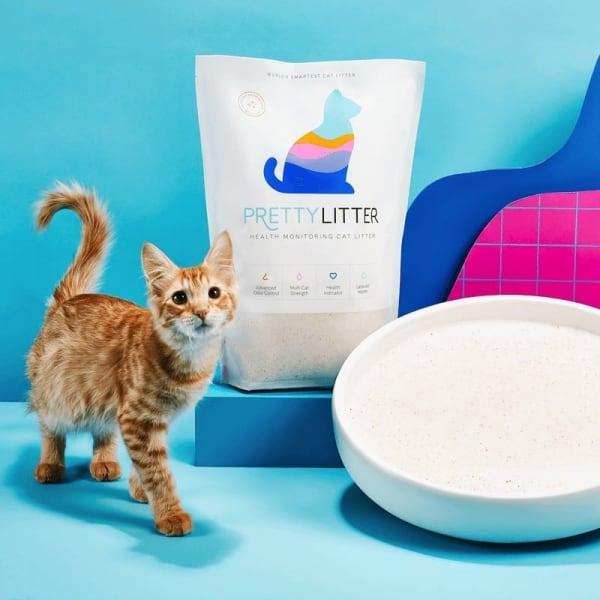
Best non-clay option. Silica crystals have no clay dust to spread.
In our order for this category, until you sort it. Scores are out of 10, and the bars always read dust, clumps held, cost a day.
This roundup is maintained by the ReviewCatLitter editorial team and ties every winner back to hands-on review data, methodology notes, and current comparison coverage.
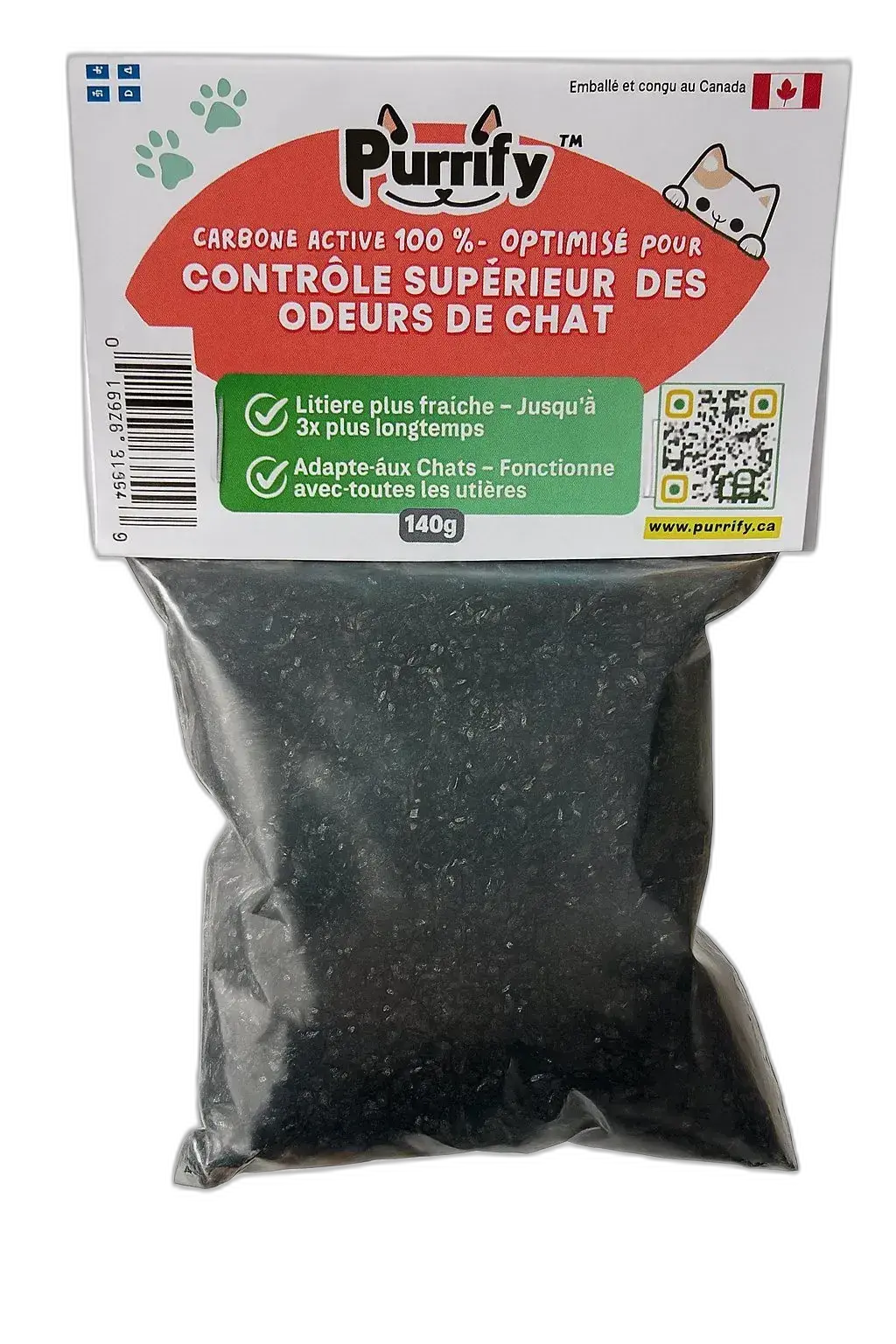
Purrify - the additive we use in our own homes
Activated carbon you add to the litter you already buy. We have used it in our own homes for years, and with dozens of friends and family. You can keep your existing base litter.
Read our Purrify guide to picking a litter for odor control.
- Activated carbon, sold in bags
- 5.0 Google rating
- Stocked in 40+ pet stores across Canada
How to read the three bars
The airborne particles from one pour, weighed in milligrams. A shorter bar means less dust.
Clumps lifted and dropped from three feet, counted by how many survive whole. Higher means less left behind.
What the bag cost, divided across the days it lasted in that run. A shorter bar costs less a day.
Every reading, run date and household count sits in the open on the raw test data.
The best one for your problem
The undefeated champion. 0.03mg of dust per pour, the lowest reading in this roundup.
The premium contender. Almost as clean on the pour, with better 'flat top' clumping.
Best non-clay option. Silica crystals have no clay dust to spread.
The data, side by side
| Product | Review Score | Price | Type | Dust | Clumping | Odor | Key Features |
|---|---|---|---|---|---|---|---|
9.4Excellent | $20.99 | Clumping Clay | 9.4/10 | 9.8/10 | 8.5/10 | ⚪ Unscented | |
9.2Excellent | $27.99 | Premium Clumping Clay | 9/10 | 9.4/10 | 8.7/10 | ⚪ Unscented | |
8.8Very good | $24.00 | Silica Crystal | 8.6/10 | 4.2/10 | 8.9/10 | ⚪ Unscented |
We buy the bag, fill a box with it, and live with it
Ordinary homes with cats in them, not a lab. Bags are bought at retail, no manufacturer pays for a place on a list, and the retailer links on this page never touch a score.
How to Shop for Low-Dust Cat Litter
Low-dust cat litter is really about the full cleanup cycle, not just the first pour out of the bag. The best options stay controlled when you refill the box, disturb the litter during scooping, and top it off through the week.
That is why this roundup still cares about clumping and odor control. A low-dust formula loses value fast if it turns the box into a harder cleanup job or leaves waste behind.
Material Tradeoffs Matter
Clay can deliver the strongest traditional clumps, but low-dust winners tend to come from the better refined formulas. Crystal and plant-based litters can also reduce airborne mess, though they introduce different tradeoffs around feel, price, or classic scoopability.
Low Dust Is Not the Same as Perfect Litter
Some low-dust litters still lose points on odor, tracking, or clump strength. That matters because the best low-dust cat litter should improve the air around the box without creating a worse daily cleanup routine somewhere else.
That is why this page still compares classic clay, premium clay, and non-clay options. Dust control is the filter, but overall usability still decides the final ranking.
What to Compare Next
If dust is your top priority, compare this page with our clumping roundup to check whether the cleaner options still scoop the way you want. If you are deciding between clay and natural materials, jump to the natural litter roundup and stop litter tracking for the rest of the cleanup picture.
Best Use Cases for This Category
This page is most useful for dust-sensitive homes, small rooms where litter clouds are more noticeable, and anyone who wants a cleaner refill experience without giving up every other performance metric.
It is less useful if your only goal is the absolute hardest clump or the strongest fragrance-led odor control, in which case a different category page may fit your search better.
What the pour number leaves out
We weigh the dust that comes off a bag as it goes into the box. That is the worst moment of the month and the one people notice, but it is one moment. A litter that pours clean can still raise a cloud when a cat digs a hole in it three weeks later.
Skip this page if what bothers you is the smell rather than the air. Low dust and good odor control are different jobs, and the bag that wins one does not have to win the other. Our odor roundup ranks on the smell instead.
Common questions
What usually causes dust problems in a litter box setup?
Most complaints come from pouring a fresh bag, topping off the box, or stirring the litter during scooping. Material type matters, but so does how the litter behaves once it is in regular use.
Does low-dust litter always mean better air quality?
Usually it helps, but low-dust does not mean zero particles in every situation. The biggest difference is whether a litter stays controlled during pouring, scooping, and topping off instead of creating repeated visible clouds.
Is '99% Dust Free' real?
Treat it as a loose marketing phrase, not a universal standard. One brand's low-dust experience can still look very different from another brand's once you start pouring, scooping, and living with it.
Head-to-Heads Between These Picks
Dr. Elsey's Ultra vs Boxiecat Premium
Ultra gives you the hardest clumps and the lightest dust for less money.
Dr. Elsey's Ultra vs PrettyLitter
Ultra is scoopable clay. PrettyLitter is crystals that change color to flag a health problem.
Boxiecat Premium vs PrettyLitter
Boxiecat gives you clumps that lift off the top. PrettyLitter gives you a color warning and a bag you can carry in one hand.
Explore Related Roundups
Best Clumping Litter
Picks that hold a clump whole so the scoop lifts the mess out in one go.
Best Natural Cat Litter
Three plant-based litters ranked on clump strength, dust per pour, tracking and cost per day.
Best Cat Litter for Odor Control
Three tested litters ranked on cost per day and which cat and box each one suits.
Guides That Go Deeper
How to Keep Cat Litter From Getting Everywhere
Three cheap fixes stop most of the mess: a bigger mat, heavier grain, deeper filling. Plus the box shapes that cut tracking at the source.
Cat Litter Smells Bad? 7 Fixes That Work
Bacterial buildup causes smell even in clean boxes. Learn the fixes that eliminate odor at the source.
How to Make Cat Litter Last Longer Without Guesswork
Make cat litter last longer with a clean-box routine, better depth, careful top-offs, and a simple way to test whether an additive is worth its cost.