
Best Dust-Free Cat Litter
We weighed the pour instead of trusting the bag. Cleanest paper, clay, soy and pine picks.
The short answer
Dr. Elsey's Ultra is the pick if you want a clean pour and real clumps: 0.03mg on the scale, 98% clump survival. Okocat paper pellets registered 0.00mg, the cleanest pour on our bench, but they do not clump at all. Feline Pine is the cheapest clean pour at $0.31 a day.
How to use this roundup
No testing body defines "dust free", so we weighed it. Readings at the pour: Ökocat Paper Pellet 0.00mg, Dr. Elsey's Ultra 0.03mg, Tuft + Paw 0.05mg, Feline Pine 0.08mg.
One pick per material, because that is the first fork in the decision. Ökocat Paper Pellet is paper pellet at $19.99, Dr. Elsey's Ultra is clumping clay at $20.99, Tuft + Paw is soy / tofu at $29.00 and Feline Pine is pine pellet at $19.99.
How a bag earns a place here
The scale, not the front of the bag
Every reading comes off the same measured pour, so the numbers line up bag against bag. Nobody has to prove the claim printed on the packaging.
One clean bag per material
Paper, clay, soy and pine. Shoppers usually arrive already leaning toward one, and refining inside a material matters more than most people expect.
What it costs at the scoop
Two of the four do not clump. That changes the daily job from scooping to sifting, and it is the main reason a clean litter goes back in the cupboard.
Every pick in this roundup
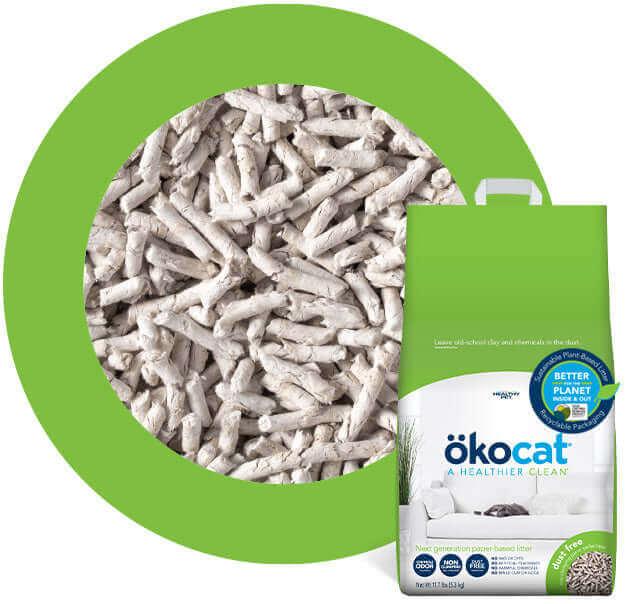
The paper pick, and the only bag on the bench that put 0.00mg on the scale. Recycled paper pellets, sifted rather than scooped.
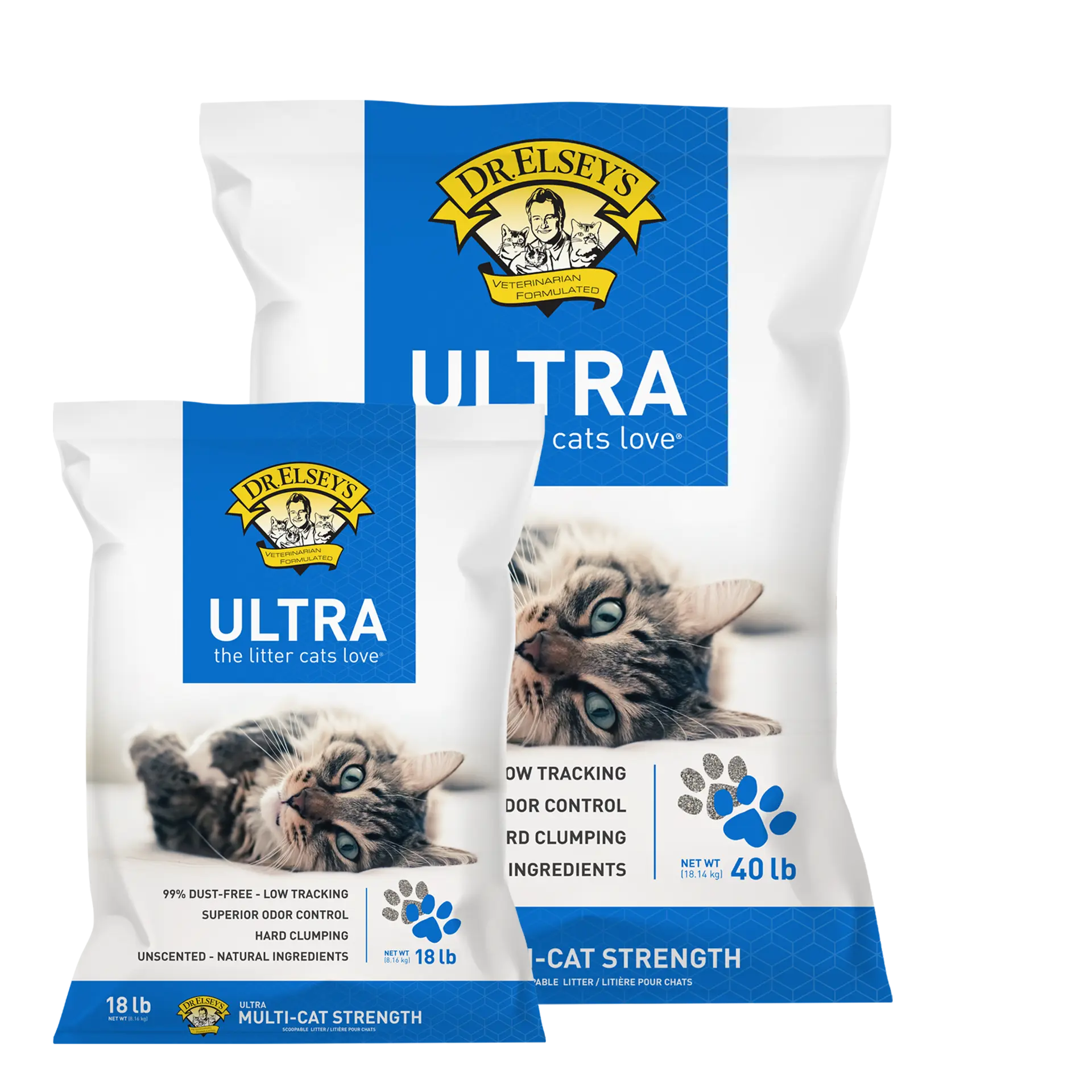
The clay pick. 0.03mg at the pour is a fraction of what a shelf clay throws, and you keep hard clumps.
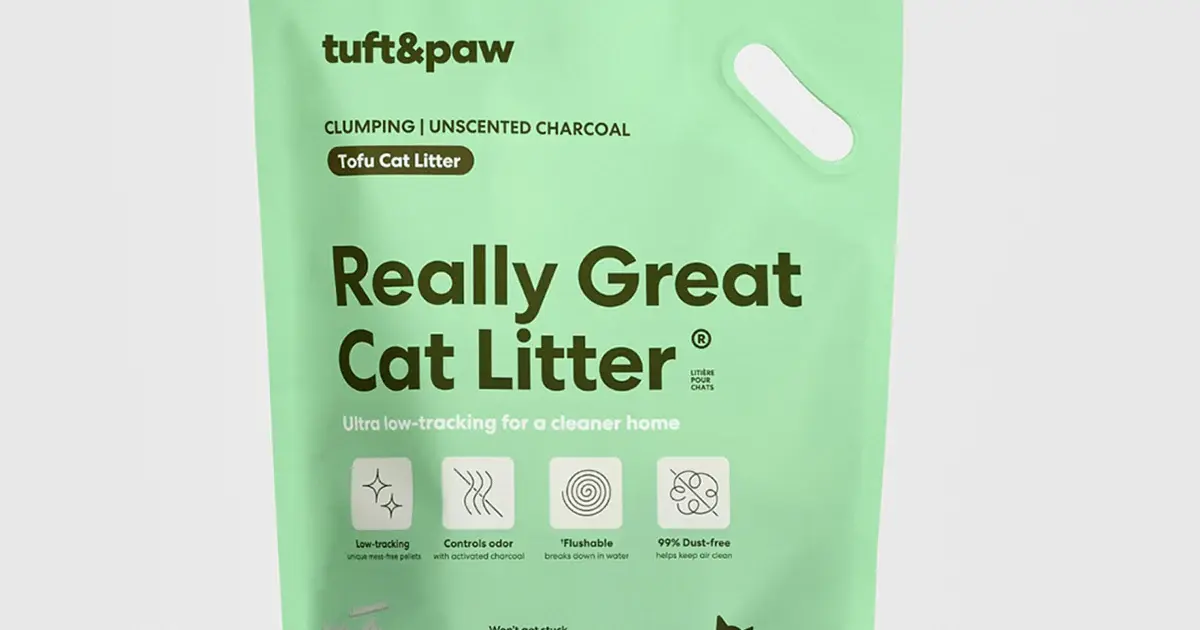
The soy pick. 0.05mg per pour, clumps well enough to scoop, and almost nothing leaves the box.
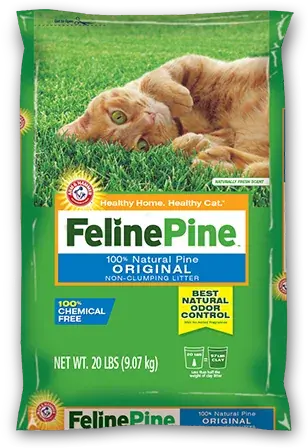
The pine pick and the cheapest way onto this page at $0.31 a day. Pellets break to sawdust as they get used, so the box gets dustier over the week.
In our order for this category, until you sort it. Scores are out of 10, and the bars always read dust, clumps held, cost a day.
This roundup is maintained by the ReviewCatLitter editorial team and ties every winner back to hands-on review data, methodology notes, and current comparison coverage.
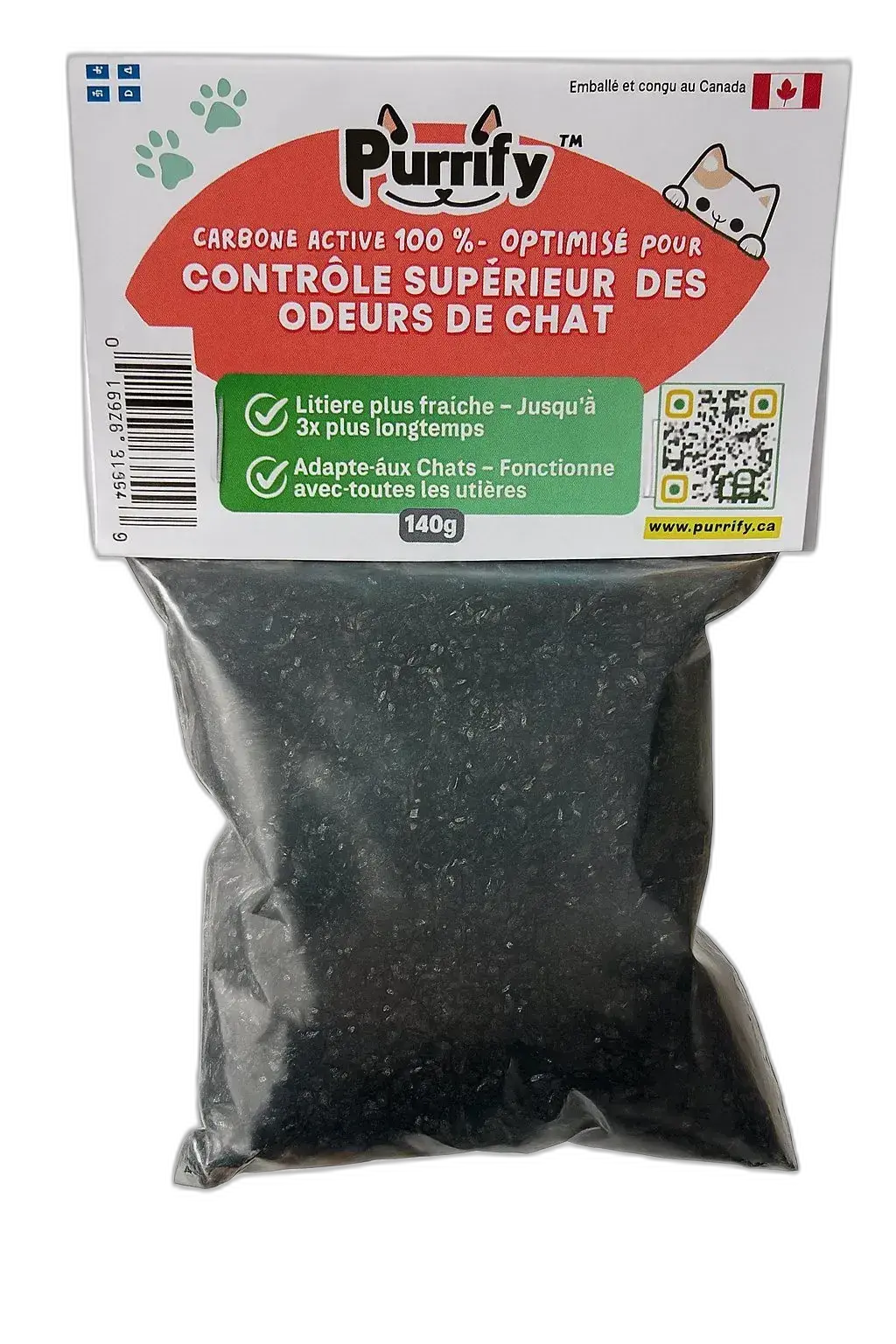
Purrify - the additive we use in our own homes
Activated carbon you add to the litter you already buy. We have used it in our own homes for years, and with dozens of friends and family. You can keep your existing base litter.
Read our Purrify guide to picking a litter for odor control.
- Activated carbon, sold in bags
- 5.0 Google rating
- Stocked in 40+ pet stores across Canada
How to read the three bars
The airborne particles from one pour, weighed in milligrams. A shorter bar means less dust.
Clumps lifted and dropped from three feet, counted by how many survive whole. Higher means less left behind.
What the bag cost, divided across the days it lasted in that run. A shorter bar costs less a day.
Every reading, run date and household count sits in the open on the raw test data.
The best one for your problem
The clay pick. 0.03mg at the pour is a fraction of what a shelf clay throws, and you keep hard clumps.
The soy pick. 0.05mg per pour, clumps well enough to scoop, and almost nothing leaves the box.
The paper pick, and the only bag on the bench that put 0.00mg on the scale. Recycled paper pellets, sifted rather than scooped.
The pine pick and the cheapest way onto this page at $0.31 a day. Pellets break to sawdust as they get used, so the box gets dustier over the week.
The data, side by side
| Product | Review Score | Price | Type | Dust | Clumping | Odor | Key Features |
|---|---|---|---|---|---|---|---|
8.2Good | $19.99 | Paper Pellet | 10/10 | 2.1/10 | 7.2/10 | 🌿 Natural⚪ Unscented | |
9.4Excellent | $20.99 | Clumping Clay | 9.4/10 | 9.8/10 | 8.5/10 | ⚪ Unscented | |
8.3Good | $29.00 | Soy / Tofu | 9.3/10 | 7.8/10 | 8/10 | 🌿 Natural🚽 Flushable⚪ Unscented | |
8.0Good | $19.99 | Pine Pellet | 9.3/10 | 2.5/10 | 7.9/10 | 🌿 Natural⚪ Unscented |
We buy the bag, fill a box with it, and live with it
Ordinary homes with cats in them, not a lab. Bags are bought at retail, no manufacturer pays for a place on a list, and the retailer links on this page never touch a score.
Dust-free is a claim, not a measurement
Nobody has to prove the words on the front of the bag. So we put a measured scoop through the same pour every time and weigh what comes off it. That gives one number you can line up bag against bag, which is the whole reason this page exists.
One pick per material here, because material is the first fork in the decision and shoppers arrive already leaning one way. Paper, clay, soy, pine. The readings run 0.00mg, 0.03mg, 0.05mg and 0.08mg.
Refining beats material more often than people expect
Clay has the worst reputation and it holds the second-cleanest reading on this page. The difference between a refined clay and a budget clay is bigger than the difference between clay and pine. If you like how clay scoops, you do not have to leave clay to get a clean pour.
The pour is one moment out of a month
Pellets grind down as a cat digs, so the fine stuff arrives later rather than at the pour. Clay grinds too, just more slowly. Scooping little and often keeps the bed intact, which does more for the air in the room than the last hundredth of a milligram on the scale. Our guide to making a bag last covers the routine.
Where to go next
If you want the three cleanest clays and crystals lined up head to head instead of one pick per material, read the dust test. If a light bag matters as much as a clean one, the lightweight roundup shares two picks with this page.
What a clean pour will not fix
A low reading is one moment out of a month. We take it when the bag is tipped into the box, which is the dustiest thing that happens all month, but it says nothing about how the litter behaves after three weeks of digging.
Skip the pellets if you want to scoop. They register the cleanest pour on our bench and they do not clump at all, so the box gets sifted and changed rather than scooped. That trade is worth it in some homes and unbearable in others.
Common questions
Is "99% dust free" a real standard?
No. No testing body defines it and no one has to prove it, so two bags with the same sentence on the front can behave nothing alike. We weigh what comes off a measured pour instead and print the milligrams.
Which material is cleanest at the pour?
Paper pellets, then refined clay, then soy, then pine, in our readings: 0.00mg, 0.03mg, 0.05mg and 0.08mg. Material sets the ceiling, but refining inside a material matters just as much: budget clay reads far dirtier than the clay on this page.
Does a clean pour stay clean all month?
Not by itself. Pellets crumble to sawdust as a cat digs, and clay grinds finer under a scoop. The pour reading is the best single number to shop on, but topping off a tired box is the moment most people notice dust.
Do I have to give up clumping to get a clean bag?
Two of the four here do not clump. The other two do, so no, but the cheap end of the shelf is where the trade bites: the lowest-priced clumping clays are also the dustiest bags we have weighed.
Head-to-Heads Between These Picks
Dr. Elsey's Ultra vs Tuft + Paw
Both are very light in the air. Ultra clumps far harder and costs about half as much per day.
Dr. Elsey's Ultra vs Feline Pine
Ultra clumps and Feline Pine does not, which decides most of this. Pine pellets cost far less per day and need a sifting tray.
Dr. Elsey's Ultra vs Ökocat Paper Pellet
Ökocat is the only litter we weighed at zero dust, which is what matters after surgery or with a wheezy cat.
Feline Pine vs Ökocat Paper Pellet
Pine pellets against paper pellets. Feline Pine costs less per day and goes further between full changes.
Explore Related Roundups
Best Low-Dust Cat Litter
Three litters ranked by dust weighed in milligrams, then checked against clumping and cost per day.
Best Lightweight Cat Litter
Four bags under half the weight of a clay sack, priced per pound and per week.
Best Biodegradable Cat Litter
Four bags made from a crop or waste stream instead of clay, judged on clumping, dust and cost.
Guides That Go Deeper
Best Cat Litter for Allergies: What Actually Helps
We measured airborne dust levels from 16 litters, tracked allergen triggers, and tested which formulas work for sensitive humans and cats.
How to Make Cat Litter Last Longer Without Guesswork
Make cat litter last longer with a clean-box routine, better depth, careful top-offs, and a simple way to test whether an additive is worth its cost.
How to Keep Cat Litter From Getting Everywhere
Three cheap fixes stop most of the mess: a bigger mat, heavier grain, deeper filling. Plus the box shapes that cut tracking at the source.