
Best Biodegradable Cat Litter
Four bags made from a crop or waste stream instead of clay, judged on clumping, dust and cost.
The short answer
Naturally Fresh Walnut is the pick: it breaks down and still clumps, at 89% clump survival and $0.54 a day for one cat. Feline Pine runs cheapest on this page at $0.31. Okocat pellets give the cleanest pour at 0.00mg but they do not clump.
How to use this roundup
Walnut shell, wood, recycled paper and pine, instead of strip-mined clay. Naturally Fresh Walnut is walnut shell at $24.99, Catalyst Soft Wood is soft wood / pine at $27.99, Ökocat Paper Pellet is paper pellet at $19.99 and Feline Pine is pine pellet at $19.99.
Clumping is the fork in the road here: Naturally Fresh Walnut hard for natural litter, Catalyst Soft Wood good for wood litter, Ökocat Paper Pellet non-clumping pellets, Feline Pine non-clumping pellets. The two pellet litters do not clump at all, and no amount of shopping changes that.
What biodegradable is worth
Where the material came from
A crop or somebody else's offcut, rather than a mine. That difference happens before the bag reaches your house, and it is the honest reason to buy one.
Not what happens in a bin bag
Sealed in a landfill with no air, none of these break down quickly. We would rather say that than sell you a feeling.
Whether it clumps
Walnut comes closest to clay. Wood clumps softly. Paper and pine pellets do not clump, so the routine becomes sifting and a scheduled change.
Every pick in this roundup
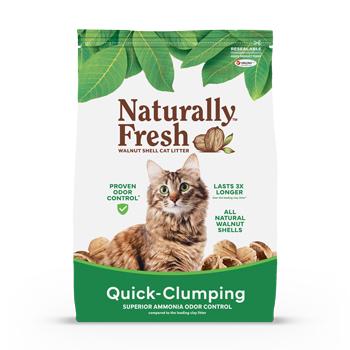
Crushed walnut shell, and the only pick here that clumps hard. 89% of clumps came through our drop test whole, which is clay territory.
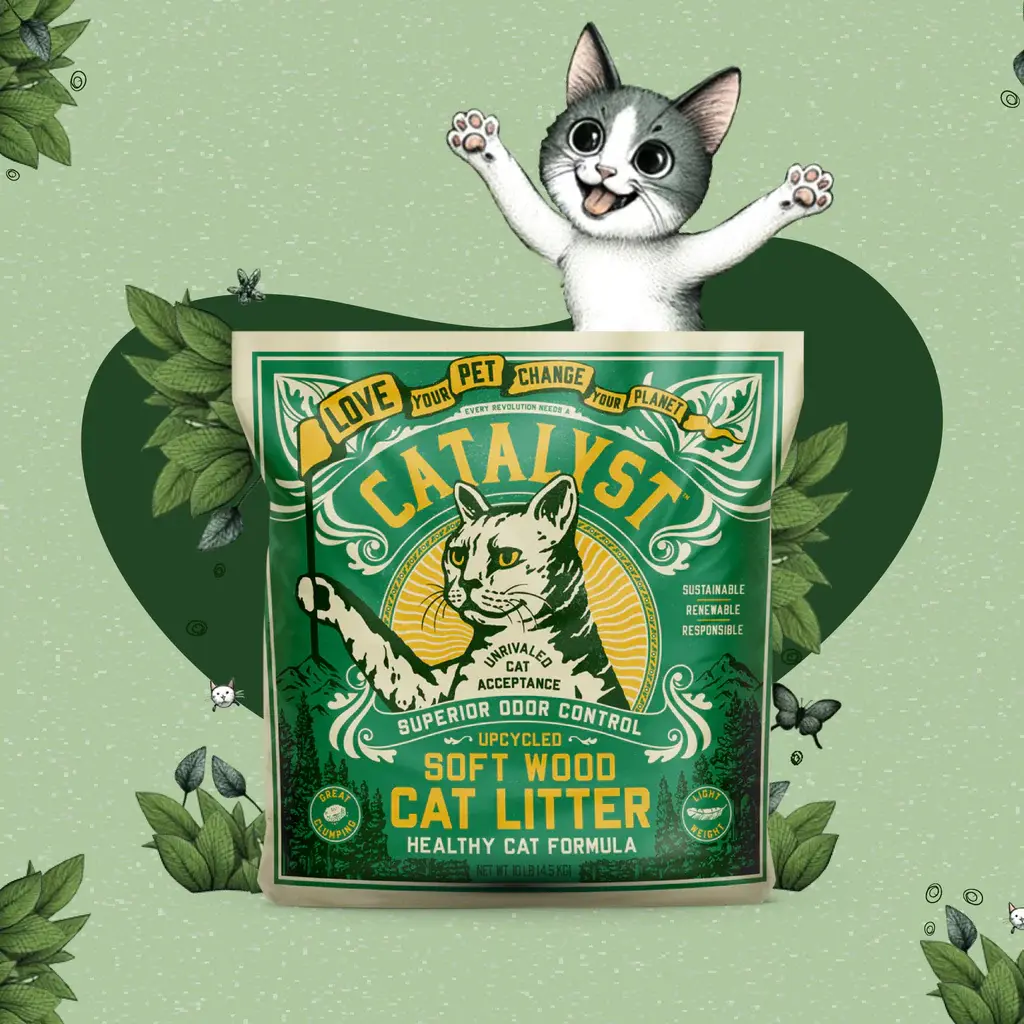
Soft wood that clumps, in a 18 lbs bag. The middle ground between a clumping litter and a pellet, and the pick for a cat that has already refused pellets.
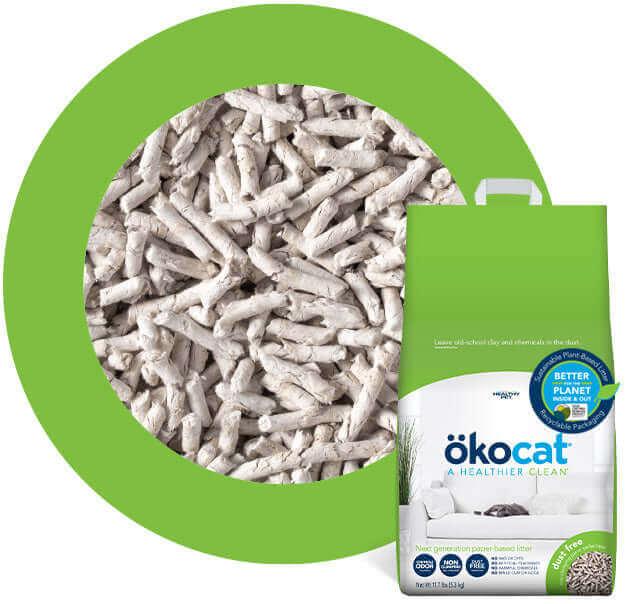
Recycled paper, so it is made from waste before it goes back to being waste. It also put 0.00mg on our scale, the cleanest pour we have weighed.
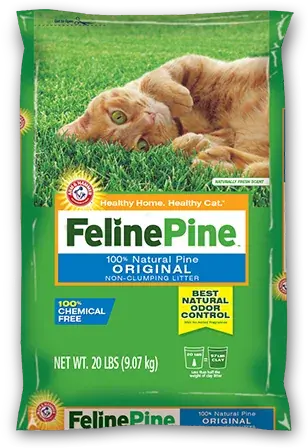
Kiln-dried pine at $0.31 a day, the cheapest way to leave clay behind. Pellets turn to sawdust as they get used and you sift the sawdust out.
In our order for this category, until you sort it. Scores are out of 10, and the bars always read dust, clumps held, cost a day.
This roundup is maintained by the ReviewCatLitter editorial team and ties every winner back to hands-on review data, methodology notes, and current comparison coverage.
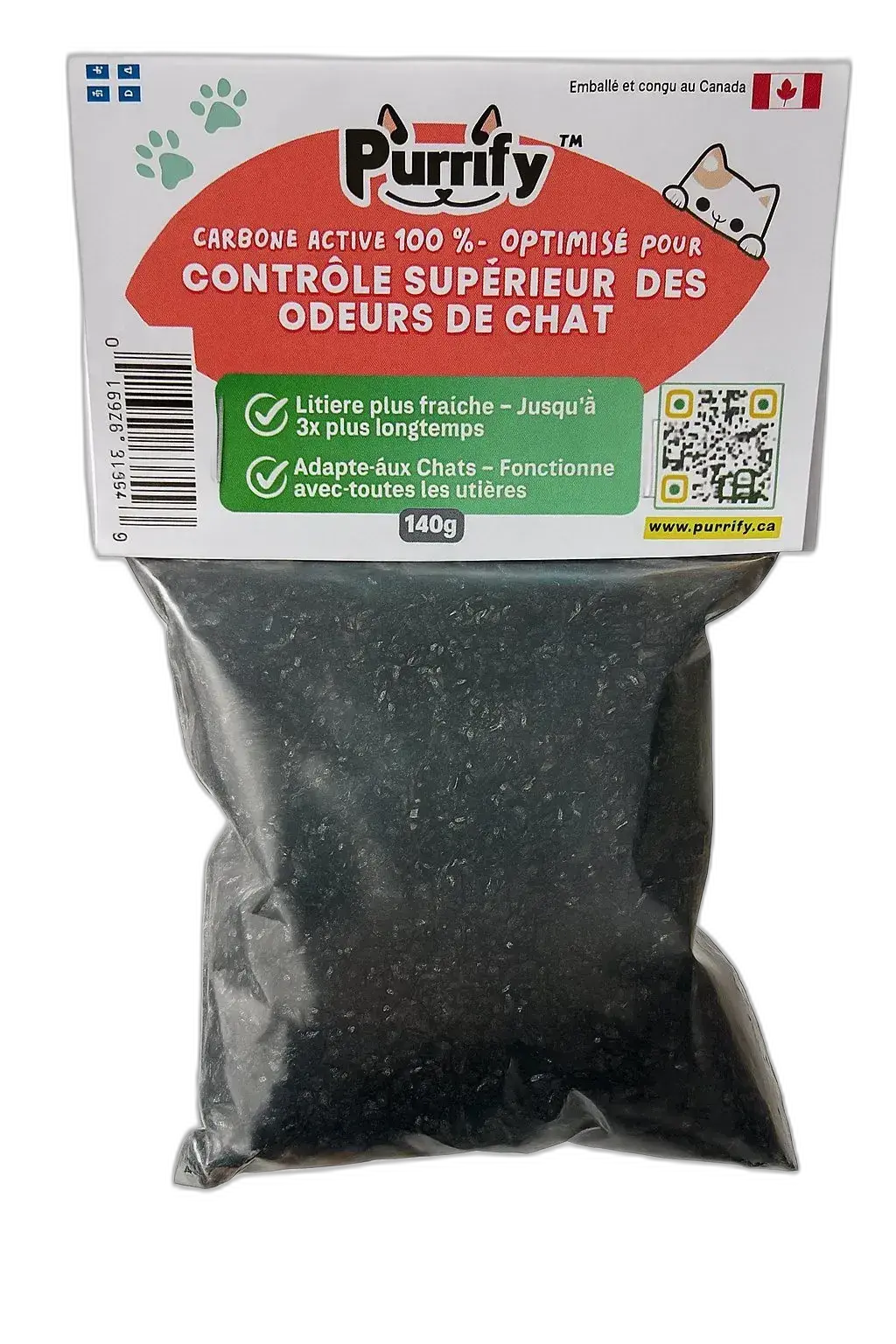
Purrify - the additive we use in our own homes
Activated carbon you add to the litter you already buy. We have used it in our own homes for years, and with dozens of friends and family. You can keep your existing base litter.
Read our Purrify guide to picking a litter for odor control.
- Activated carbon, sold in bags
- 5.0 Google rating
- Stocked in 40+ pet stores across Canada
How to read the three bars
The airborne particles from one pour, weighed in milligrams. A shorter bar means less dust.
Clumps lifted and dropped from three feet, counted by how many survive whole. Higher means less left behind.
What the bag cost, divided across the days it lasted in that run. A shorter bar costs less a day.
Every reading, run date and household count sits in the open on the raw test data.
The best one for your problem
Crushed walnut shell, and the only pick here that clumps hard. 89% of clumps came through our drop test whole, which is clay territory.
Soft wood that clumps, in a 18 lbs bag. The middle ground between a clumping litter and a pellet, and the pick for a cat that has already refused pellets.
Recycled paper, so it is made from waste before it goes back to being waste. It also put 0.00mg on our scale, the cleanest pour we have weighed.
Kiln-dried pine at $0.31 a day, the cheapest way to leave clay behind. Pellets turn to sawdust as they get used and you sift the sawdust out.
The data, side by side
| Product | Review Score | Price | Type | Dust | Clumping | Odor | Key Features |
|---|---|---|---|---|---|---|---|
8.8Very good | $24.99 | Walnut Shell | 8.1/10 | 8.9/10 | 8.4/10 | 🌿 Natural⚪ Unscented | |
8.7Very good | $27.99 | Soft Wood / Pine | 8.3/10 | 7.7/10 | 8.1/10 | 🌿 Natural🚽 Flushable⚪ Unscented | |
8.2Good | $19.99 | Paper Pellet | 10/10 | 2.1/10 | 7.2/10 | 🌿 Natural⚪ Unscented | |
8.0Good | $19.99 | Pine Pellet | 9.3/10 | 2.5/10 | 7.9/10 | 🌿 Natural⚪ Unscented |
We buy the bag, fill a box with it, and live with it
Ordinary homes with cats in them, not a lab. Bags are bought at retail, no manufacturer pays for a place on a list, and the retailer links on this page never touch a score.
What you are actually buying
Clay is strip-mined and it never breaks down. The four bags here are walnut shell, wood, recycled paper and pine, all of them either a crop or somebody else's offcut. That is the real environmental difference, and it happens before the litter ever reaches your house.
What happens after is less flattering. Sealed in a bin bag in a landfill, none of these break down quickly. Buy one because of where the material came from, not because of where it ends up.
Clumping is the fork in the road
Walnut and wood clump. Paper and pine pellets do not, and the daily routine is different enough that people either love it or quit in a fortnight. Sifting a pellet box takes less time than scooping, but the whole box gets emptied on a schedule instead of topped up.
Cost per day, not price per bag
These bags look expensive on the shelf because they are smaller and lighter than clay. Feline Pine runs $0.31 a day and Naturally Fresh $0.54, which undercuts plenty of clay. Catalyst at $0.72 is the one that really costs more. Our cost comparison guide works through the arithmetic.
Where to go next
For the three best-performing plant litters lined up against each other, read the natural litter roundup. If flushing is the point, the flushable roundup is a narrower list.
Where biodegradable stops meaning anything
A litter that breaks down in a compost heap does not break down in a landfill bag. Sealed in plastic with no air, walnut and paper sit there much as clay does. If the bin is where it ends up, you are buying the material and not the outcome.
Do not compost it for a vegetable garden either. Cat waste is not garden compost. Check your local guidance before you put any of it near something you will eat.
Skip these picks if the day rate is what decides it. Our cheapest litter page has those numbers, and most of the winners there are clay.
Common questions
Does biodegradable litter break down in a landfill?
Slowly, and less than people hope. A sealed bag in a landfill has little air, and that is what these materials need to break down. The honest reason to buy one is that it is made from a renewable material and a waste stream rather than strip-mined clay.
Can I compost used cat litter?
Not into a vegetable bed. Cat waste can carry parasites that a garden compost heap does not get hot enough to kill, so the standard advice is to keep it away from anything you eat. Some people run a separate ornamental-only heap. Check your local guidance before you start one.
Which biodegradable litter clumps like clay?
Walnut comes closest. Naturally Fresh held 89% of its clumps through our drop test. Catalyst clumps too, at 73%. The two pellet litters here do not clump at all, and no amount of shopping changes that.
Is biodegradable the same as flushable?
No. Flushable means it falls apart in water. Biodegradable means it breaks down over time. Catalyst on this page is both. Paper pellets and pine are biodegradable and should still go in the bin.
Head-to-Heads Between These Picks
Catalyst Soft Wood vs Naturally Fresh Walnut
Naturally Fresh clumps harder and costs less to run. Catalyst wins on texture alone, for cats that reject anything grainy or pelleted.
Catalyst Soft Wood vs Feline Pine
Same tree, different shape. Catalyst is soft wood grain that clumps loosely and feels like sand underfoot.
Catalyst Soft Wood vs Ökocat Paper Pellet
Catalyst is the soft-textured wood litter for a fussy cat. Ökocat is the pellet for a cat that needs no dust at all.
Naturally Fresh Walnut vs Ökocat Paper Pellet
Naturally Fresh clumps and Ökocat does not. Ökocat is the one to choose when somebody in the house reacts to litter dust.
Feline Pine vs Ökocat Paper Pellet
Pine pellets against paper pellets. Feline Pine costs less per day and goes further between full changes.
Explore Related Roundups
Best Natural Cat Litter
Three plant-based litters ranked on clump strength, dust per pour, tracking and cost per day.
Best Flushable Cat Litter
Every flushable bag we tested, ranked on the clump that survives the scoop then falls apart in water.
Best Dust-Free Cat Litter
We weighed the pour instead of trusting the bag. Cleanest paper, clay, soy and pine picks.
Guides That Go Deeper
How to Make Cat Litter Last Longer Without Guesswork
Make cat litter last longer with a clean-box routine, better depth, careful top-offs, and a simple way to test whether an additive is worth its cost.
Is Premium Cat Litter Worth It? Cheap vs Premium, Costed
Budget clay against premium, natural and crystal, priced per day. Where the dearer bag pays for itself, and where it does not.
How to Keep Cat Litter From Getting Everywhere
Three cheap fixes stop most of the mess: a bigger mat, heavier grain, deeper filling. Plus the box shapes that cut tracking at the source.