
Why Is My Cat Eating Litter?
A kitten that mouths litter is usually playing. An adult that eats it is a different case and needs a vet. Here is what vets say about the causes, the risk of a blockage, and what to change in the box.

Quick answers
- 1Why is my cat eating litter? In kittens it is often play. In an adult it can point to pica, anemia, parasites, an overactive thyroid, a poor diet or anxiety, says PetMD.
- 2An adult that eats litter persistently should see a vet, and so should any cat that also vomits or stops eating.
- 3Under 4 months old, ASPCApro says to use non-clumping litter.
Kittens: usually curiosity, still worth a mention
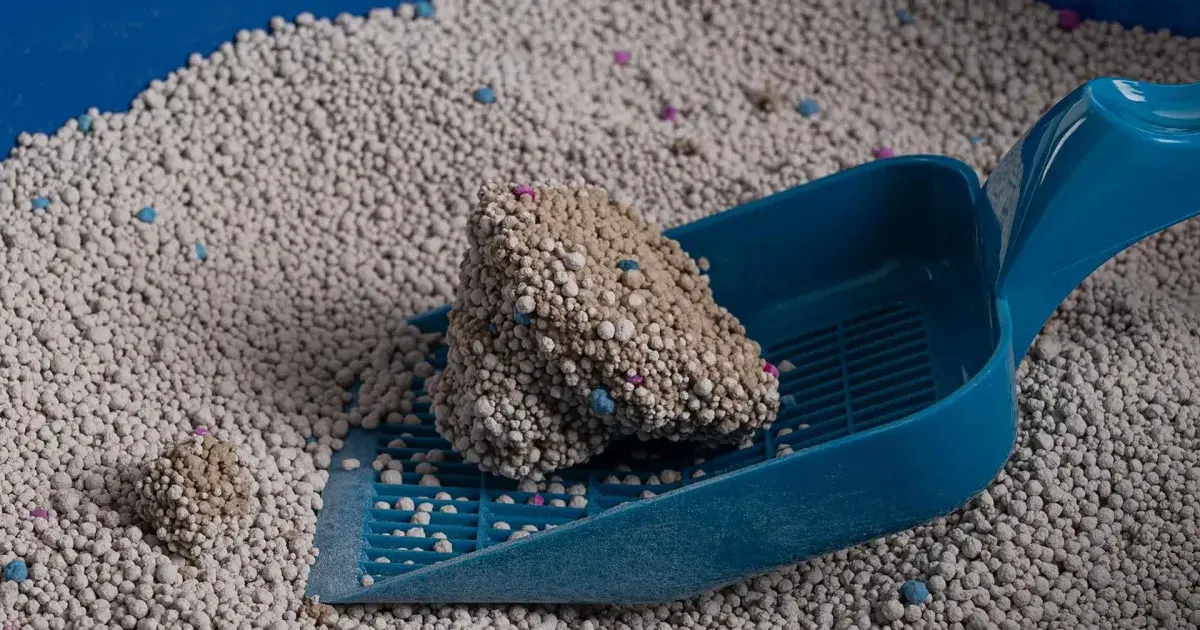
PetMD says many kittens play with litter the way they play with toys, and that some of it can be swallowed and cause a blockage. ASPCApro says kittens tend to eat their litter, and that if it clumps in their digestive tract it can become very serious. Its advice is that all kittens under 4 months, and nursing mother cats, use non-clumping litter.
So for a young kitten the practical step is to check the bag. If it clumps, ask your vet whether to switch to a non-clumping litter. The comparison is in clumping vs non-clumping cat litter. Tell your vet at the next visit that it is happening, and book sooner if your kitten vomits or seems unwell.
Adults: look for a cause
PetMD says the repeated abnormal eating of things not normally eaten is a condition called pica. VCA defines it as a cat persistently ingesting non-food items. For an adult cat PetMD lists other reasons that can sit behind litter eating:
- Anemia. Too few red blood cells, which PetMD notes can have many causes, including toxins, kidney failure and viral infections. VCA lists it as a medical cause of pica too, and says pale gums or weakness can go with it. A vet can test for it. You cannot tell by looking.
- Other medical causes. PetMD names parasites and hyperthyroidism, and VCA lists inflammatory bowel disease, diabetes mellitus and hyperthyroidism.
- Diet. PetMD says failing to provide the right nutrients can send a cat looking for other things to fill its stomach, and advises a well-balanced diet for the cat's life stage.
- Boredom or anxiety. PetMD says bored or anxious cats can react by eating litter, and suggests reducing stress and adding toys and daily play.
What it can do to your cat
PetMD says clumping clay litter has been linked to vomiting, diarrhea, gastrointestinal obstruction and respiratory problems when eaten. It explains that swallowed clay can harden in the stomach into a mass, and that surgery to remove the blockage is sometimes needed. VCA calls obstruction the most common problem with pica, and lists vomiting and reduced appetite among the signs.
We found no source that says one litter material is safe to eat, so we do not say that about any of them.
When to see a vet
- An adult cat that eats litter persistently. PetMD says to take them to the vet.
- A cat that stops eating or has vomiting, diarrhea, constipation, coughing, wheezing or lethargy, per PetMD.
- Pale gums or weakness, which VCA links to anemia.
Do not punish. VCA says punishment can increase anxiety and may worsen the behavior. If the vet rules out medical causes, VCA says a referral to a behaviorist is possible, and for behavioral cases it recommends keeping the cat away from what it is eating and rewarding good behavior. Details are on the VCA Animal Hospitals pica page.
Questions people ask
Why is my cat eating litter?
PetMD calls the repeated eating of things that are not food pica, and lists it with anemia, parasites and hyperthyroidism as common causes, plus poor diet, boredom and anxiety. Kittens may simply play with litter and swallow some. An adult that does it persistently needs a vet.
Is it normal for a kitten to eat litter?
PetMD says many kittens play with litter as they play with toys, and some of it gets swallowed. ASPCApro says kittens tend to eat their litter, which is why it advises non-clumping litter under 4 months old. Even so, mention it to your vet.
Can eating litter hurt my cat?
PetMD says clumping clay litter has been linked to vomiting, diarrhea and gastrointestinal obstruction when eaten, and that swallowed clay can harden in the stomach and sometimes needs surgery. VCA names gastrointestinal obstruction as the most common problem with pica in general.
Does eating litter mean my cat has anemia?
It can. PetMD lists anemia, meaning too few red blood cells, among the underlying reasons a cat may eat litter, and VCA lists it as a medical cause of pica. It is one of several causes, and only a vet can test for it. VCA says pale gums and weakness can go with anemia.
Should I switch to non-clumping litter?
For a kitten under 4 months, ASPCApro says yes. PetMD, which warns about clumping clay litter when eaten, also says a cat that eats litter persistently should see a vet whichever litter is in the box.
Will punishing my cat stop it?
No. VCA says punishment can increase anxiety and potentially worsen the behavior. Find the cause with your vet, and keep boredom in check with play and toys, as PetMD suggests.
Choosing and changing litter for a young cat
Our best cat litter for kittens page compares bags for young cats. Read clumping vs non-clumping cat litter for the difference, and how to litter train a kitten for the early weeks.
Every health line here comes from PetMD, VCA or ASPCApro, linked where it is used and read on 22 November 2026. We included the anemia link only because PetMD states it for litter eating. It is general information, not a diagnosis. Your vet's advice beats anything written here.